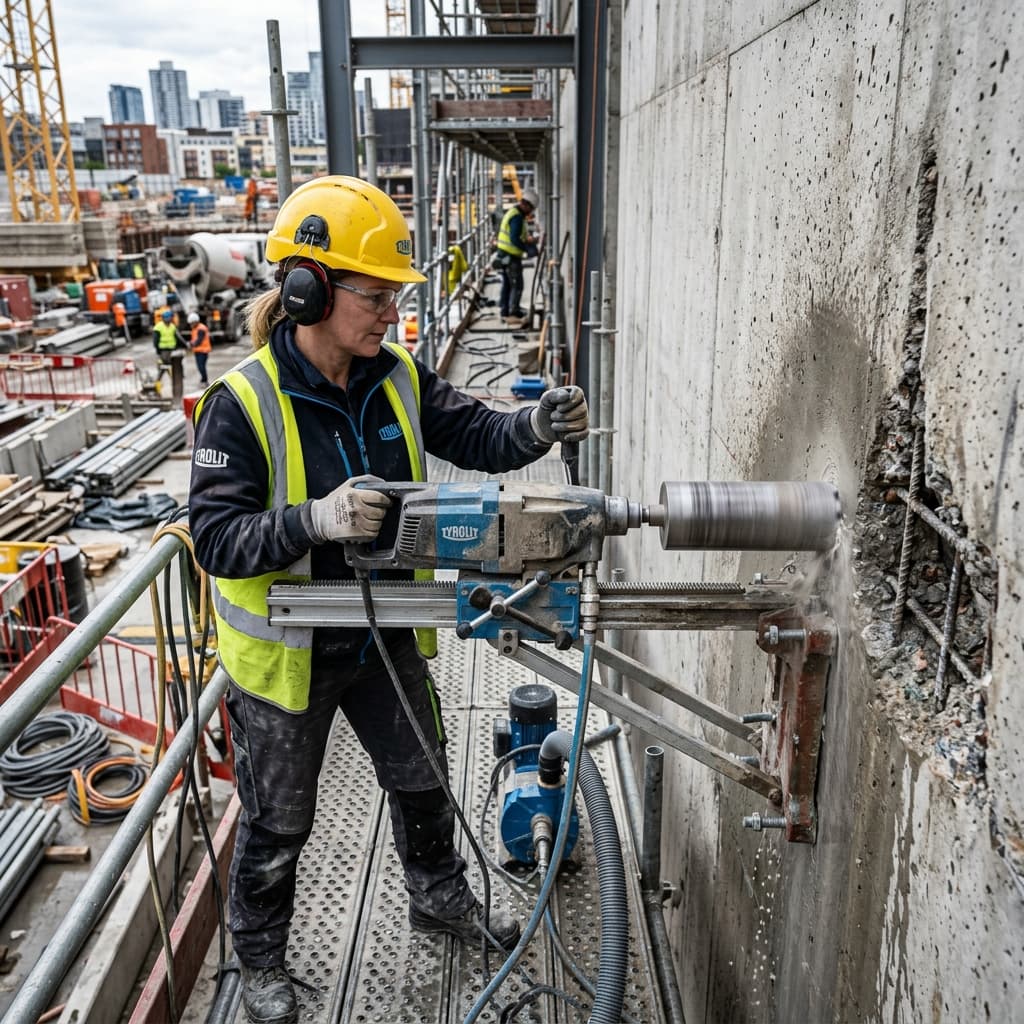
In older coastal properties across Mumbai, Thane, and Palghar, carbonation and chloride-induced rebar corrosion cause heavy concrete spalling on slab soffits and foundation columns. Simply troweling traditional plaster over exposed rusted bars fails within 12 months. Pneumatically applied Gunite (dry-mix) and Shotcrete (wet-mix) provide high-density structural restoration.
Engineering Advantages of Guniting & Shotcrete
- High-Velocity Compaction: Mortar is propelled through a high-pressure nozzle at over 100 meters per second, compacting the mortar into micro-cavities without requiring formwork.
- Exceptional Bond Strength: Adheres directly to sandblasted concrete and wire mesh with shear bond strengths exceeding 2.5 N/mm².
- Low Water-Cement Ratio: Produces dense, impermeable concrete with compressive strengths of 35 to 45 N/mm² that seals out future atmospheric carbonation.
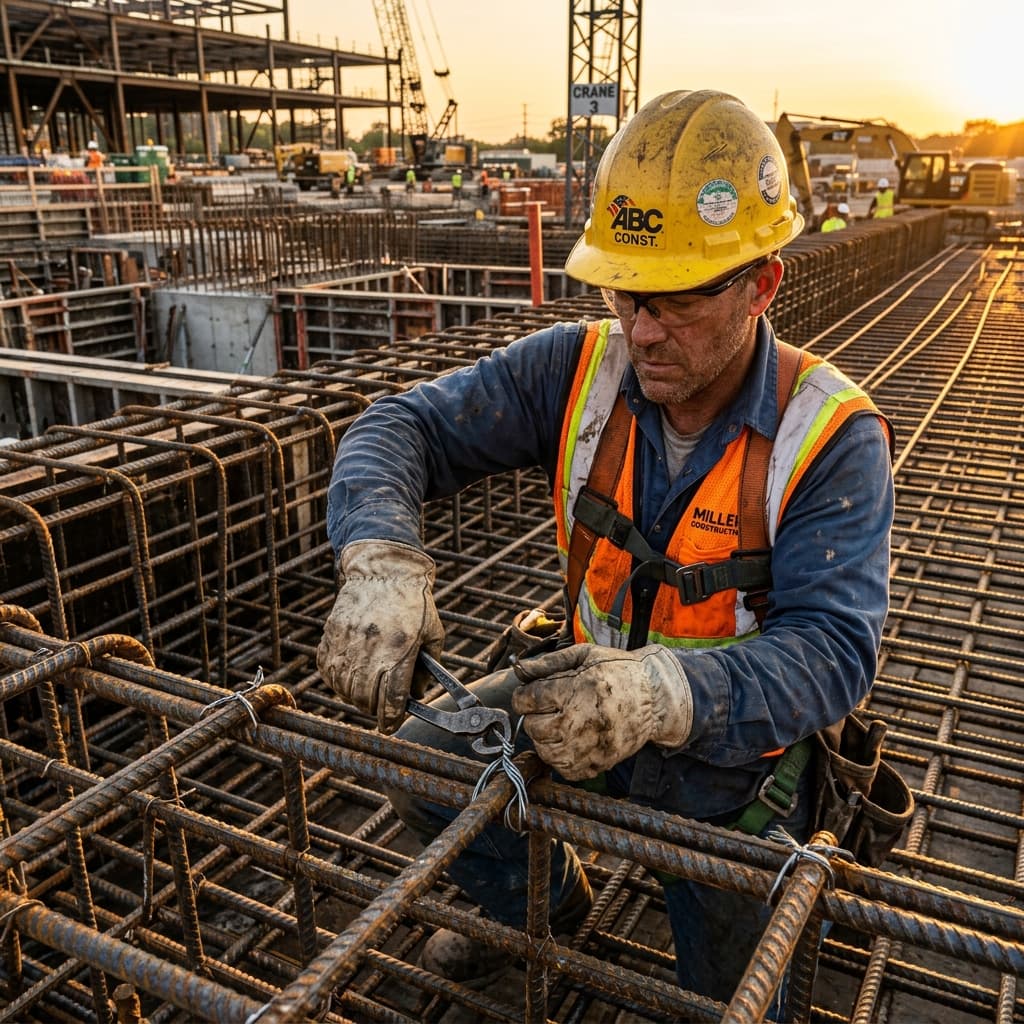
- Welded Wire Mesh Reinforcement: 50x50mm or 75x75mm galvanized steel wire mesh (8-gauge) is anchored with chemical shear pins prior to shooting 40mm to 75mm thick gunite layers.
Planning a Civil or RCC Project?
Talk to our master engineers and get direct item-rate or turnkey quotations.